Vaginal dryness is common after menopause, but dryness is only one part of genitourinary syndrome of menopause (GSM). Burning, irritation, painful sex, urinary symptoms and recurrent UTIs can arise from the same estrogen-related tissue changes—and unlike hot flashes, GSM often does not simply disappear with time.

For decades, vaginal symptoms after menopause were described as “vaginal atrophy.” The newer term GSM is more accurate and considerably less depressing. It describes changes involving the vulva, vagina, urethra and bladder as estrogen declines during and after the menopause transition.
Symptoms can be deceptively varied. One woman notices dryness during sex. Another develops burning that repeatedly tests negative for yeast. Someone else suddenly needs to urinate frequently or begins having recurrent urinary tract infections. There may be tearing at the opening, spotting after penetration, itching, altered discharge, reduced lubrication or simply a sense that the tissues feel different.
These are not separate systems coincidentally malfunctioning at the same age. The vagina, vulva, urethra and bladder are all influenced by estrogen. GSM also differs from many menopause symptoms because it often persists or progresses without treatment.
IN THIS ARTICLE
- What estrogen was doing all along
- GSM can affect more than the vagina
- Dryness during sex is not always GSM
- Moisturizer and lubricant are not the same
- Choosing a lubricant: water, silicone or oil?
- Vaginal estrogen: small dose, local treatment
- What if you have had breast cancer?
- What about vaginal “rejuvenation” lasers and radiofrequency?
- Libido and GSM are not the same problem
- Recurrent UTIs deserve special attention
- Douching and “feminine hygiene” can make things worse
- A practical GSM plan
- When to arrange medical care
- The Maple Menopause bottom line
- References and further reading
What estrogen was doing all along
Before menopause, estrogen helps maintain tissue structure, blood supply, elasticity and moisture, and it influences the vaginal microbiome. Estrogen supports mature vaginal epithelial cells and glycogen-derived substrates that help Lactobacillus species. These bacteria produce lactic acid and contribute to the normally acidic reproductive-age vaginal environment.
As estrogen declines, tissue can become thinner and less elastic, glycogen falls, lactobacilli may become less dominant and vaginal pH commonly rises. Blood flow and secretions may decrease. This is not simply “less lubrication”; it is a change in tissue structure and ecology. Canadian SOGC guidance includes dryness, irritation, painful intercourse and urinary symptoms among GSM manifestations and recognizes both non-hormonal and hormonal management.
GSM can affect more than the vagina
- Vaginal dryness, burning, itching or irritation
- Reduced lubrication with sexual activity
- Pain with penetration
- Tenderness or tearing around the vaginal opening
- Spotting or bleeding after sex
- Urinary urgency or frequency
- Burning with urination
- Recurrent urinary tract infections
Some women experience mainly urinary symptoms and do not connect them with menopause. Estrogen receptors are present in the lower urinary and genital tracts, which helps explain why vaginal estrogen may be recommended to reduce recurrent UTIs after menopause. It does not treat an active bacterial infection; it improves the genitourinary environment that helps resist future infection.
Dryness during sex is not always GSM
Lubrication and sexual comfort can also be affected by medications, pelvic-floor muscle tension, vulvar skin conditions, infection, cancer treatment, pelvic surgery, relationship context, anxiety, pain conditions and sexual arousal. Treating everything as “vaginal dryness” can delay the right diagnosis.
Persistent vulvar itching should not automatically trigger repeated yeast treatment. Conditions such as lichen sclerosus can occur in midlife and need assessment. Likewise, new bleeding after menopause requires appropriate evaluation rather than being attributed to fragile tissue.
Moisturizer and lubricant are not the same
A vaginal moisturizer is used regularly—often several times a week—to support ongoing moisture and comfort. A lubricant reduces friction during sexual activity. It works immediately but is not primarily designed to change baseline moisture between encounters. Many women use both.
Marketing can blur the distinction. A “feminine moisturizer,” “intimate wash,” “pH-balancing gel” or “menopause serum” is not necessarily a vaginal moisturizer in the clinical sense. Read what the product is actually designed to do.
Choosing a lubricant: water, silicone or oil?
Water-based
Widely available, easy to wash away and generally compatible with condoms and sex toys. Some formulas become sticky or dry quickly, so reapplication may be needed.
Silicone-based
Usually remain slippery longer and can be helpful when friction is substantial or for sex in water. They may not be compatible with some silicone toys; check the manufacturer’s instructions.
Oil-based
Can provide long-lasting lubrication, but oils damage latex condoms and increase failure risk. Products not formulated for vaginal use may irritate some people.
Stop using anything that burns or stings. Warming, cooling, tingling and heavily fragranced formulas can be unpleasant on already-sensitive tissue.
Osmolality and pH: details the advertising skips
Lubricant formulation can affect tissue. Very hyperosmolar products can draw water out of epithelial cells and have shown cellular and tissue effects in laboratory research. For most shoppers, calculating chemistry in a store aisle is unrealistic. Choose a simple product intended for vaginal use, avoid formulas that sting or irritate, and change products if one causes trouble. More ingredients and fragrance are not necessarily better.
Hyaluronic-acid vaginal moisturizers
Hyaluronic acid is a water-binding molecule used in some non-hormonal vaginal moisturizers. Studies suggest these preparations can improve GSM symptoms, and some trials found improvement comparable with vaginal estrogen for certain outcomes, although estrogen has a much larger evidence base and formulations vary.
This makes hyaluronic-acid moisturizers a reasonable non-hormonal option for women who prefer to start without hormones or cannot use estrogen. “Contains hyaluronic acid” does not automatically make every intimate cosmetic evidence-based; research evaluates particular formulations and schedules.
Vaginal estrogen: small dose, local treatment
For persistent or moderate-to-severe GSM, low-dose vaginal estrogen is among the most effective treatments. It is available as tablets or inserts, creams and rings, with Canadian availability varying. Unlike systemic menopausal hormone therapy, low-dose vaginal estrogen is intended primarily for local genitourinary tissue.
Improvement may take weeks and ongoing treatment is generally needed to maintain benefit. Systemic absorption can occur, especially early when tissue is very thin, but exposure with recommended low-dose vaginal products is generally much lower than with systemic estrogen.
“I am already on HRT. Why am I still dry?”
Systemic hormone therapy can help GSM for some people but does not reliably eliminate it. Some women using systemic estrogen still need local treatment. That does not mean their systemic therapy has failed; hot flashes and vaginal tissue are different treatment targets.
Do you need progesterone with low-dose vaginal estrogen?
Guidelines generally do not require routine progestogen solely for recommended low-dose vaginal estrogen in women with a uterus because systemic exposure is low. This does not make all vaginal estrogen products interchangeable, and any postmenopausal bleeding still requires assessment.
What if you have had breast cancer?
This needs individualized discussion, not a blanket internet answer. Non-hormonal moisturizers and lubricants are generally tried first. When symptoms remain significant, major guidelines allow consideration of low-dose vaginal estrogen for selected breast-cancer survivors after discussion of risks, benefits, treatment and individual circumstances.
The conversation is especially nuanced for women using aromatase inhibitors, which intentionally suppress estrogen to very low levels. The useful message is neither “always forbidden” nor “completely risk-free.” It is that severe GSM deserves treatment and shared decision-making.
Vaginal DHEA and other prescription options
Prasterone (DHEA) is used vaginally and converted locally into active sex steroids within tissue; it has been studied for moderate-to-severe painful sex associated with menopause. Ospemifene is an oral selective estrogen receptor modulator used in some jurisdictions. Availability and approved indications differ by country, so Canadian readers should check current status and discuss options with a clinician or pharmacist rather than ordering overseas.
What about vaginal “rejuvenation” lasers and radiofrequency?
Marketing has raced ahead of evidence. Energy-based treatments are promoted for dryness, painful sex, urinary symptoms and “rejuvenation,” often at substantial cost. Evidence for effectiveness and long-term safety is less convincing than the advertising, and major organizations urge caution outside appropriate clinical or research settings.
Expensive and technologically impressive do not automatically mean better supported than vaginal estrogen or moisturizers.
Pelvic-floor physiotherapy: especially when penetration hurts
Painful sex is not always only a lubrication problem. After repeated pain, pelvic-floor muscles may guard against anticipated penetration and become difficult to relax. More lubricant may not solve this.
A pelvic-floor physiotherapist can assess muscle tone, coordination, scar tissue and pain patterns. Treatment may involve education, relaxation, manual techniques, exercises and gradual exposure—not simply more Kegels. An overactive painful pelvic floor may need relaxation rather than strengthening.
Vaginal dilators: a tool, not a punishment
Graduated dilators can help some women with narrowing, pain, pelvic-floor guarding or difficulty with penetration, including after cancer treatment. The goal is not to force tissue open or tolerate pain. Used gently—sometimes with physiotherapy guidance—they can help tissue and muscles accommodate comfortable penetration. Pain is information, not an achievement target.
Sex itself does not “keep your vagina young”
Sexual arousal increases genital blood flow, and regular comfortable partnered or solo sexual activity may support function and flexibility. But no one should feel obliged to have painful penetrative sex as medical treatment. Pushing through pain can reinforce guarding and avoidance. Treat dryness, tissue changes and pain first. Sex is allowed to be pleasurable rather than physiotherapy assigned by the internet.
Pain, comfort and desire can overlap without being the same problem. See Sex, Desire & Menopause for the desire and arousal side of the conversation.
Libido and GSM are not the same problem
Desire is influenced by hormones, medications, mood, sleep, stress, relationship context, body image, pain, health, sexual history and whether the sex on offer is actually enjoyable. GSM can crush desire for an understandable reason: if sex hurts, the brain becomes less enthusiastic.
Treating pain may indirectly improve interest, but vaginal estrogen is not a universal libido drug. Someone can also have healthy tissue and low desire. The distinction matters because the solutions differ.
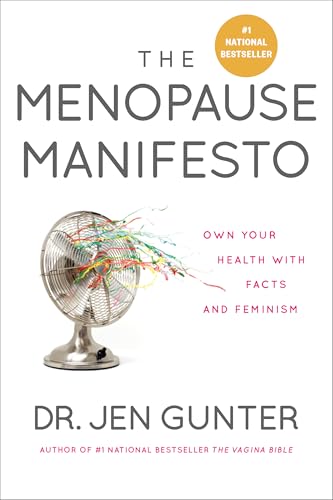
Worth Reading
Optional broader reading—not a medical reference for the treatment discussion.
Recurrent UTIs deserve special attention
Recurrent UTIs become more common after menopause. For peri- and postmenopausal women with recurrent infections, clinical guidance supports vaginal estrogen to reduce future risk when appropriate. It does not treat an active UTI.
Burning, urgency and frequency also overlap with GSM, pelvic-floor dysfunction and other bladder conditions. If symptoms keep returning, establish whether episodes are culture-confirmed infections, GSM symptoms or a combination rather than repeatedly self-diagnosing.
Douching and “feminine hygiene” can make things worse
The vagina does not require perfume, deodorant, steaming, detox pearls or internal washing. Douching disturbs the environment; fragrance can irritate sensitive vulvar tissue. Gentle external washing with water is usually sufficient. If cleanser is desired, use a small amount of mild fragrance-free product externally. Do not wash inside the vagina.
A new persistent odour or abnormal discharge deserves investigation—not increasingly aggressive cleaning. The separate guide to menopause, body odour and vaginal odour helps identify where the change may be coming from.
What about probiotics and boric acid?
Vaginal probiotics
Products vary by strain, dose and route, and evidence is not strong enough to treat an arbitrary probiotic as a substitute for established GSM care. “10 billion probiotics” says little about whether the organisms have evidence for the problem being treated.
Boric acid
Boric acid has legitimate uses for selected recurrent or difficult-to-treat vaginal infections under guidance. It is not routine treatment for GSM, dryness or menopausal odour. It can be toxic if swallowed and must be stored safely away from children and pets.
Leakage can irritate vulvar skin too
Even small amounts of urine repeatedly contacting vulvar skin can contribute to irritation, burning and odour. Pads may add friction and trap moisture. Changing damp products promptly, choosing breathable options, protecting irritated external skin when appropriate and seeking assessment for incontinence can all be part of vulvar care. Leakage is common—and treatable.
A practical GSM plan
- Identify the symptoms. Dryness, burning, itching, pain, urgency, UTIs and bleeding point toward different evaluation needs.
- Remove irritants. Stop douching, fragranced washes, sprays and products that sting.
- Use lubricant for friction. Use enough and reapply; consider silicone if water-based formulas dry too quickly.
- Consider moisturizer for ongoing dryness. Regular maintenance differs from lubricant used only during sex.
- Do not push through pain. Persistent painful penetration deserves assessment; pelvic-floor physiotherapy may help.
- Discuss vaginal estrogen if symptoms persist. It is among the most effective GSM treatments and may be appropriate even without systemic HRT.
- Investigate recurrent urinary symptoms. Repeated presumed UTIs can conceal GSM or another bladder or pelvic-floor condition.
- Reassess. If treatment is not working, reconsider the diagnosis rather than buying endless new products.
When to arrange medical care
Seek assessment for any bleeding after menopause; unexplained bleeding after sex; persistent or worsening vulvar or vaginal pain; sores or ulcers; significant itching; unusual discharge; a distinctly new persistent odour; recurrent urinary symptoms; visible vulvar skin changes; persistent difficulty with penetration; or symptoms that do not improve with reasonable first-line measures. New symptoms after a new sexual partner may warrant STI testing.
The Maple Menopause bottom line
GSM is not simply “being a bit dry.” Falling estrogen can alter the structure, lubrication, acidity, microbiome and function of tissues from the vulva and vagina to the urethra and bladder.
For mild symptoms, a good vaginal moisturizer and lubricant may be enough. Hyaluronic-acid moisturizers are a useful non-hormonal option. Persistent or more significant GSM often responds very well to low-dose vaginal estrogen. Pelvic-floor physiotherapy can be invaluable when pain and muscular guarding are part of the picture.
Treat dryness with moisture. Treat friction with lubrication. Treat estrogen-deprived tissue when appropriate. Treat infection when there is actually an infection. Treat pain as worth investigating—not something women are expected to tolerate.
For practical options organized by the problem they address, see 12 Useful GSM & Intimacy Products. Products can reduce friction or improve comfort; they do not replace assessment when symptoms are persistent, painful or unexplained.
Buy for the problem you actually have
The companion GSM Stuff page separates ongoing moisture, friction, external vulvar comfort and gradual pelvic-floor tools—while explaining when products are not enough.
References and further reading
Canadian resources
- SOGC Guideline No. 422b — Menopause and Genitourinary Health
- Government of Canada — Women and Diversity Health Guide to Menopause
- AUA/CUA/SUFU Guideline — Recurrent uncomplicated UTIs in women
- Health Canada — Drug Product Database
Clinical and scientific resources
- The Menopause Society — Genitourinary Syndrome of Menopause
- ACOG — Urogenital symptoms after estrogen-dependent breast cancer
- 2025 AUA/SUFU/AUGS GSM guideline executive summary
- 2020 GSM position statement
Educational information only
Maple Menopause does not provide individualized medical advice, diagnosis or treatment. Any bleeding after menopause, persistent genital symptoms or recurrent urinary symptoms should be appropriately assessed.
Having trouble filling your prescription?
Check whether your menopause medication has a reported Canadian shortage—and what to do next.