
A panic attack kit is not a cure for panic disorder. It is not an emergency department in a zipper pouch. And it is definitely not proof that you should never leave home without seventeen objects capable of rescuing you.
Done thoughtfully, though, a small kit can be useful.
When panic arrives, thinking gets narrow. The part of you that calmly remembers what your therapist said about grounding may temporarily be replaced by the part that is absolutely certain you are dying in the Costco checkout line.
A kit puts a few familiar options within reach: something intensely minty or sour, something tactile, something that reduces sensory load, a short written reminder and—if you already have prescribed medication—whatever your clinician has told you to carry and use.
This article grew out of our deeper guide, When the Alarm Becomes a Siren: Menopause and Panic Attacks. If panic is changing where you drive, stopping you from travelling, shrinking your safe zone or making you afraid of the next attack, read that companion article too. The long-term goal is not to build a better bunker. It is to get your life back.
First: the kit is support, not the treatment
Panic-focused cognitive behavioural therapy is an established treatment for panic disorder, and exposure is an important part of evidence-based treatment. Structured self-help and medication are also legitimate pathways depending on the person and severity.
A comforting object can help during a hard moment. But if your brain learns, “I am only safe if I have my emergency mint, medication, exit route and special pouch,” the kit can become a safety behaviour that reinforces the idea that panic itself is dangerous.
Use the kit as scaffolding—not a talisman. If you are doing CBT or exposure work, ask your clinician how and when to use it without undermining that work.
Make two or three—but keep them small
The perfect panic kit sitting at home is remarkably unhelpful when you are halfway across town. Consider two or three small versions: an everyday-purse kit, a discreet work kit and a second purse or travel-bag kit. This is about putting a few tools where you actually need them—not encouraging unnecessary purchases.

The work version does not need PANIC KIT embroidered across the front. A plain cosmetics bag, pencil case or zip pouch you already own works perfectly. A discreet pouch can sit in a desk drawer, professional tote, locker or work backpack without looking medical. If you prefer a cute quilted pouch, that is an organizational choice—not therapy. Two or three small kits in the places you actually use them are often more practical than repeatedly forgetting one elaborate kit at home.

A car can hold appropriate non-sensitive items, but Canadian vehicles become ovens and freezers. Do not leave medication, candy, batteries or other temperature-sensitive contents in a car that becomes extremely hot or cold. Prescription medicines should stay in pharmacy-labelled packaging unless your pharmacist has specifically advised otherwise; follow medication identification, storage and travel instructions.
Something sharply minty
A strong peppermint gives attention a concrete external target: taste, cooling and mouth sensation. Some people find that useful for redirecting attention outward when it has collapsed inward onto heartbeat, breathing or dizziness. Altoids are one option, but use whatever strong mint you already like. This is grounding—not treatment, a nervous-system reset or a cure. Consider allergies, choking risk and dental or glucose needs where relevant.

Something very sour
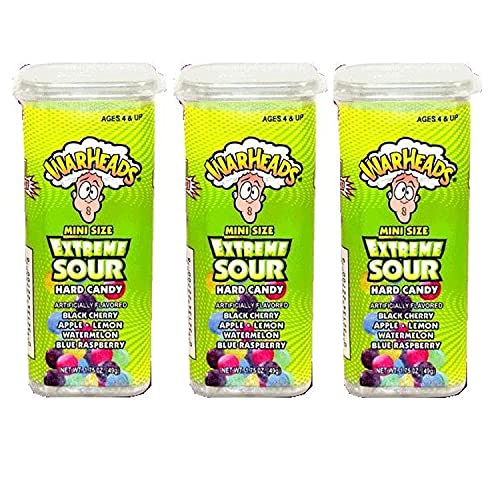
Sour candy has become a popular panic-kit suggestion online. A Warheads Extreme Sour Hard Candy—or another strongly sour, individually wrapped candy—can create a powerful external sensory focus when attention has become consumed by frightening internal sensations. Notice the sharp taste, where it lands in your mouth and how the sensation changes. That is a sensory-interruption or grounding exercise, not proof that candy can stop panic.
There is not good evidence that sour candy treats panic disorder, stops an attack, resets the nervous system or resets the vagus nerve. Consider dental sensitivity, diabetes or glucose needs, allergies and choking risk. Do not use hard candy when lying down, driving or anywhere it could be unsafe.
A quiet fidget or tactile object
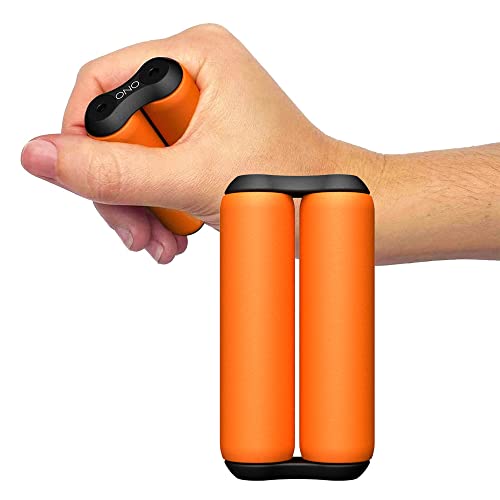
Choose something you can manipulate without announcing it to the entire meeting: a smooth worry stone, textured ring or quiet roller such as the ONO Roller. Fingers get something repetitive and concrete to do while you allow the panic wave to pass. A quiet, adult-looking option can be especially practical at work, in meetings, waiting rooms, transit or airports. The purpose is not mystical “nervous-system regulation” or stimulation of a special neurological pathway; it is a discreet tactile focus.
Filtered earplugs when the world is too loud
For people whose panic is tangled up with sensory overload, noise can be gasoline. Loud stores, crowds, airports, restaurants, multiple conversations and harsh, busy environments can amplify vulnerability when the alarm system is already primed. Filtered earplugs such as Loop Engage 2 may reduce some environmental volume while retaining more useful conversation and awareness than completely blocking sound.
Do not use hearing reduction when it compromises driving, situational awareness or the ability to hear alarms and warnings. If bright stores, traffic or visual motion also make you feel floaty or off balance, our article on dizziness, vertigo and sensory overload explains why that pattern should not automatically be dismissed as anxiety.

Heat: one uncomfortable signal you can control
Heat matters in both perimenopause and menopause/postmenopause. A hot flash, warm room or sudden flushed feeling can overlap with sensations the brain interprets as part of the panic alarm. A small rechargeable fan does not medically treat panic or a hot flash. It simply gives you immediate control over one uncomfortable sensory input—heat—at a desk, in a queue or while travelling.
![JISULIFE Handheld Mini Fan, 3 IN 1 USB Rechargeable Portable Fan [12-19 Working Hours] with Power Bank, Flashlight, Pocket Design for Travel/Summer/Concerts/Lash, Gifts for Women (Pink)](https://m.media-amazon.com/images/I/51E76z7oaWL._AC_SX466_.jpg)
Cold without a freezer
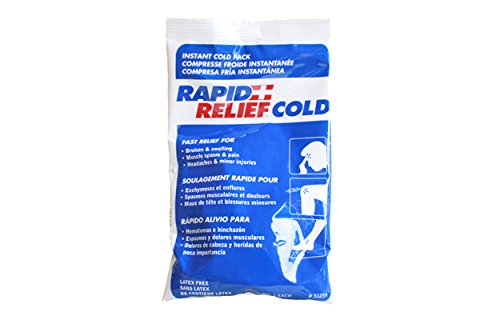
An instant cold pack is different from a reusable gel pack: it can live in a desk, work kit or travel bag without access to a freezer. Activated when needed, it may provide strong external sensory input and temporary comfort when you feel flushed or overwhelmed. It does not “reset” the nervous system or treat the cause of panic. Follow the package directions, wrap it if needed, limit exposure and be especially cautious over numb skin or reduced sensation.
Less visual input—only when it is safe
Some people become remarkably sensitive to bright light and visual overload when highly anxious or panicking. A soft blackout eye mask can temporarily reduce that input while lying down at home, resting in a hotel room or travelling as a passenger on a plane or in a safely parked vehicle.
This is obviously not for driving, walking around in public or any situation requiring vision or situational awareness. It is a short-term comfort tool, not a treatment for panic disorder—and new or persistent light sensitivity, vision change, headache or neurological symptoms deserve appropriate assessment.

Water: make the swallow part of the grounding
Water can be useful for more than dry mouth. Instead of gulping it as though you are trying to extinguish the panic, take one comfortable sip. Notice the temperature and sensation in your mouth. Deliberately notice the slow swallow. Then let the next breath happen rather than gulping air.
Swallowing is coordinated through brainstem and autonomic pathways that include vagal activity. That does not mean drinking water “resets the vagus nerve,” activates it to stop panic or constitutes a proven panic treatment. The useful mechanism is simpler: deliberate sensory attention, slowing the sequence down and giving yourself a neutral internal sensation to notice instead of chasing frightening sensations.
Take a small sip. Notice the temperature. Hold your attention on the sensation. Swallow slowly. Feel the swallow. Feel your feet. Allow the next breath rather than chasing it.
Do not force large amounts of water or turn drinking into another ritual you believe you must perform to be safe. A small insulated bottle is simply a convenient way to have water available; use any bottle you already own. It does not reset the vagus nerve or treat panic disorder.

If nausea joins the party
Panic is not only heart pounding and fear. Some people get nausea, a churning stomach, dry mouth or queasiness; travel or motion sickness may layer onto the anxiety. A ginger chew may be useful for nausea if ginger is appropriate for you. It is not an anxiety treatment and does not stop panic. Check ingredients, sugar content, choking risk and medication or health considerations, and ask a pharmacist if you are unsure.

A scent—only if scent actually helps you
A familiar strong scent can provide an external sensory anchor for some people. But fragrance can aggravate migraine, asthma or nausea and can affect everyone nearby in a workplace, plane or public space.
If scent helps, keep it contained and personal rather than diffusing essential oil into shared air. Scent is optional, and essential oils are not a treatment for panic disorder.
The book that keeps turning up in panic communities
One title appears repeatedly in anxiety and panic communities: Claire Weekes’ Hope and Help for Your Nerves.
Weekes’ language is old-fashioned, but readers often describe her explanation of bodily fear and the fear-of-fear cycle as unusually understandable. Her broad approach is to stop adding a second layer of struggle to every sensation, allow the wave of fear rather than urgently fighting it and give the nervous system time to settle.
This is further reading, not a clinically proven cure. A self-help book can sit alongside—but should not replace—professional assessment, panic-focused CBT or other indicated treatment.

What about an inhaler, propranolol or Ativan?
These are not interchangeable panic-kit accessories, and they are not shopping recommendations.
Inhalers: An inhaler belongs in a kit when it was prescribed for an actual respiratory condition and your treatment plan says to carry it. Panic can cause air hunger and the frightening sense that you cannot get a satisfying breath. That does not automatically mean your airways are constricted.
Propranolol: This beta blocker may reduce some adrenergic physical symptoms in selected situations, but it is not an established routine treatment for panic disorder. It is unsuitable for some people, including some with asthma or particular cardiovascular conditions. Use it only when prescribed for you.
Lorazepam (Ativan) and other benzodiazepines: These medicines can reduce acute anxiety, but they carry impairment, tolerance, dependence and withdrawal concerns. Use them only according to your individual prescribed plan; do not improvise the dose, combine them with alcohol or assume it is safe to drive.
A compact pill organizer is an organizational item, not a medication recommendation. Before using one, confirm with your pharmacist that the medicine can safely and legally be stored that way. Do not automatically remove prescription medication from pharmacy-labelled packaging, and never carry unidentified loose tablets. Follow pharmacy labelling, identification, storage and travel advice.

The kit should remind you of your treatment plan. It should not become the treatment plan. New chest pressure, fainting, severe breathing difficulty, new neurological symptoms or a materially different pattern deserves medical assessment rather than automatic use of a “panic” remedy. Our guide to heart palpitations in perimenopause and menopause explains the cardiac side of that distinction. If crawling, tingling, burning or numbness is recurring outside the panic pattern, see our guide to unusual skin and sensory symptoms in perimenopause and menopause rather than assuming anxiety explains it.
A note on L-theanine, magnesium, saffron and GABA
These ingredients frequently appear in anxiety discussions. That does not make them panic-attack rescue tools.
Evidence differs by ingredient, formulation, dose and outcome. Studies often examine general anxiety, perceived stress, mood or sleep—not whether swallowing a supplement stops an acute panic attack. Oral GABA has particularly uncertain central nervous system effects. Supplements may also interact with medicines or be inappropriate for some people.
Keep supplements outside the 60-second rescue sequence and discuss regular use with a pharmacist or clinician. In Canada, a Natural Product Number means Health Canada authorized specific labelled claims and conditions of use; it does not validate every online claim about an ingredient. For more detail, see our evidence-first guide to supplements, calming teas and aromatherapy for menopause stress.
60 SECONDS WHEN THE ALARM HITS
NOTICE
This feels like panic. Name what is happening.
ORIENT
Find a few external details. Feel your feet, the chair or one object in your hand.
SIP + SWALLOW
Take one comfortable sip if you have water. Notice the coolness and the slow swallow. Let the next breath happen rather than gulping air.
ALLOW
If this matches your medically assessed panic pattern, let the sensations rise and fall instead of urgently trying to erase every one.
STAY—WHEN SAFE
If the situation itself is safe, remember that immediate escape can strengthen avoidance. Follow your CBT/exposure plan if you have one.
FOLLOW YOUR PLAN
Use prescribed medication only as directed. Do not improvise doses.
DIFFERENT = CHECK
New chest pressure, fainting, severe breathing difficulty, new neurological symptoms or a materially different pattern deserves medical assessment.
When the kit becomes another thing you cannot leave without
This is the part most cute panic-kit lists leave out.
If the belief becomes, “I cannot drive unless I have Warheads,” “I cannot go into Costco without my kit,” or “If I forget my pouch, I have to go home,” tell your therapist or clinician. Repeated checking, turning around for the kit or refusing to drive or travel without it can quietly turn support into a safety behaviour.
Those behaviours can become part of the fear-and-avoidance system. Panic-focused CBT and exposure may deliberately help you discover that the sensations themselves can be tolerated without every safety object present. Build the kit now. Need it less later. The eventual goal may be to need the kit less—not to graduate to a larger pouch.
This is not only a menopause article
Maple Menopause is covering panic because many women describe first-ever or dramatically intensified anxiety and panic during perimenopause, menopause and postmenopause. Our articles on menopause and anxiety and why anxiety and panic may suddenly feel unfamiliar explore that context. Poor sleep can also turn down your capacity to handle sensory and bodily alarm; see Why Am I Awake at 3 A.M.?
Most of the practical ideas here can also be useful to adults experiencing panic for other reasons. If panic is recurring, changing where you drive, making you avoid enclosed places or shrinking your life, use our Canadian guide to preparing for a menopause appointment and seek proper assessment and treatment. A kit can make a hard moment more manageable. It should not be the only plan.
Sources and guidance
- NICE CG113: Generalised anxiety disorder and panic disorder in adults—recommendations.
- National Institute of Mental Health: Panic Disorder—When Fear Overwhelms.
- Beta-blockers for the treatment of anxiety disorders: systematic review and meta-analysis.
- Sensory input pathways and mechanisms in swallowing: a review.
- Health Canada: Natural health product regulation and Natural Product Numbers.
Community reports inform the practical language in this article but are not medical evidence. This article is educational and is not a diagnosis or a substitute for individualized care.