
Protein can become harder to prioritize when appetite, energy, time or food preferences shift in midlife. These are convenience options—not a prescription, a perfect diet or a reason to abandon ordinary foods you enjoy.
Affiliate disclosure: This page contains affiliate links. If you buy through one, Maple Menopause may earn a commission at no extra cost to you. As an Amazon Associate, Maple Menopause earns from qualifying purchases.
Read the Canadian label. Protein needs are individual. Consider allergies, kidney disease, digestive tolerance, sodium, added sugar and medication-related dietary advice with a qualified clinician or dietitian.
The useful protein question is “enough, often enough”
Protein helps maintain and repair muscle, but it is not a metabolism switch or an automatic weight-loss strategy. Resistance training supplies the strongest reason for muscle to adapt; adequate protein supplies the building material. Needs vary with body size, age, activity, appetite, health and kidney function, so one internet target does not fit everyone.
Food can do the job. Powders, bars and ready-to-drink products are convenience options for the meal that repeatedly comes up short. Spreading useful amounts across meals may be more practical for muscle protein synthesis than saving nearly all of it for dinner, but perfection is unnecessary.
Low effort
Greek yogurt, cottage cheese, eggs, canned fish, rotisserie chicken or leftovers.
No cooking
Milk or fortified soy beverage, cheese, hummus, edamame, tuna packets or a ready-to-drink shake.
Vegetarian
Tofu, tempeh, lentils, beans, soy foods, dairy or combinations that make the meal substantial.
On the go
A protein-rich snack can bridge a missed meal. It does not need to become a daily dessert in fitness packaging.
When You Can’t Face Another Chicken Breast
Powders can make protein easier to add to oats, yogurt, smoothies or other foods. They are optional tools; the best choice is one you tolerate, enjoy and will actually use.
Keep in mind: Supplements are not automatically tested or necessary. Compare ingredients, protein per serving, allergens and cost.

An unflavoured whey powder can disappear more easily into oats, yogurt or savoury foods than a sweet shake. Check serving size, milk allergies and whether the large tub is realistic for you.

A whey-isolate powder provides a concentrated protein option with very little carbohydrate. Vanilla and sweetener preferences vary, and higher price does not automatically mean better nutrition.
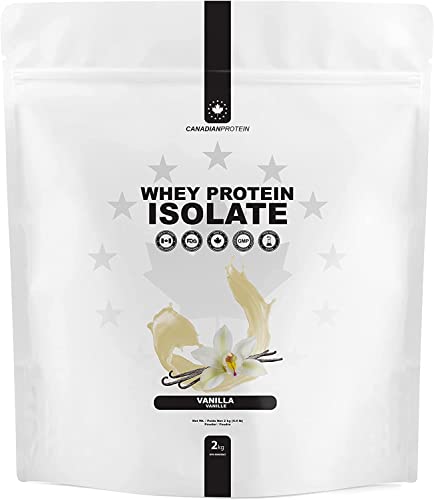
A Canadian whey-isolate option for smoothies or mixing into foods. Compare protein per serving, ingredients and cost per serving rather than relying on front-label claims.

A widely available whey isolate that may suit someone who wants a familiar brand and a flavoured powder. Review sweeteners and allergen information before buying.
When You Need to Grab Something and Go
Ready-to-drink shakes and bars can fill a practical gap during a commute, appointment day or unusually busy shift.
Keep in mind: Portable does not mean nutritionally perfect. Check sweetness, sugar alcohols, saturated fat, sodium and packaging waste.

A shelf-stable shake can be useful on rushed days when a meal or snack would otherwise be skipped. It is a convenience food—not a required daily product—and individual packages create more waste.

A substantial bar can bridge a long commute or busy afternoon. Bars vary widely in taste, texture, sugar alcohols and saturated fat, so check the full label.
Make Breakfast Do More Work
A familiar breakfast can often carry more protein without becoming an entirely different meal.
Keep in mind: The number on the front of the package is only one part of the meal; portion size and what you add matter.

A pantry mix can make breakfast more protein-dense without adding a separate shake. The final protein amount depends on portion size and what you serve with it.

An unsweetened hemp-based powder offers a plant option with fibre and fats as well as protein. Its earthy flavour is more noticeable than whey and may work best mixed into food.

A ready-to-drink nutrition shake offers another portable option. Compare it with ordinary food for price, sweetness and whether you need the added vitamins.
Protein Without the Sweet Shake
Savoury options can help when vanilla, chocolate and sweet bars become unappealing.
Keep in mind: Many packaged savoury products are salty. Compare sodium and serving size, particularly if you have been advised to limit sodium.

Crunchy protein chips may satisfy a savoury preference, but they remain a packaged snack. Check sodium, serving size and cost rather than treating them as interchangeable with a meal.

A tortilla-style savoury option for people tired of sweet bars and shakes. Protein content does not erase the importance of sodium, ingredients and overall dietary pattern.

Protein crackers can add variety to a snack plate. They may contain dairy, gluten or fibre ingredients that do not agree with everyone.

A popped savoury snack that may be easier to carry than refrigerated food. Review sodium, flavourings and the number of servings in each bag.

Roasted edamame supplies plant protein and fibre in a portable form. It contains soy and can be quite dry or crunchy, so it will not suit every person.

Individual bone-broth packets offer a warm savoury option. Protein and sodium vary by brand; broth is not a proven treatment for joints, skin or menopause symptoms.

A legume-enriched pasta can make an ordinary pasta meal contribute more protein. Portion, sauce and accompanying foods still determine the overall meal.

A quinoa-based pasta offers a gluten-free savoury alternative. Check the label because protein content and texture vary across specialty pastas.
Little Things That Make It Easier
Useful equipment should remove friction: fewer spills, quicker cleanup and food that travels safely.
Keep in mind: Buy for the routine you already have. A complicated appliance rarely fixes a routine that is too complicated.

A basic shaker bottle is useful when a spoon leaves powder clumpy. A secure lid, easy cleaning and replacement parts matter more than extra compartments.

A cordless blender can be convenient away from the kitchen, but it costs more and needs charging and careful blade cleaning.

A simple single-serve blender may be enough for occasional shakes. Check motor limits—ice and frozen fruit can overwhelm smaller machines.

A divided portable container can make nuts, cheese, roasted legumes or other snack components easier to carry. It is an organization tool, not a nutrition solution by itself.

A compact blender with two travel cups can reduce morning cleanup for shared or repeated use. Confirm cup availability, dishwasher instructions and storage space.
The low-fuss rule
Start with food you already eat. Add a protein source where it fits, and use packaged products only when they make that easier. More is not always better, and no powder, bar or blender treats menopause.
Educational information only. This page is not medical or nutritional advice.
Put protein in context
Protein is one part of the picture. See Bone Health After 40 for bone and resistance-training context, Why Am I So Tired? when low energy is the real barrier, and body composition after 40 for the broader discussion.