The main menopause sleep guide explains why you may be awake. This page has the narrower job of helping with practical environmental problems—heat, noise, light, bedding and wind-down friction—using tools women report finding useful.
Comfort aid, not treatment: These products may make sleep more comfortable or remove an environmental obstacle. They do not treat chronic insomnia, sleep apnea, restless legs or uncontrolled vasomotor symptoms. For persistent night sweats or daytime exhaustion, start with the hot-flash guide or fatigue guide.
Affiliate disclosure: This page contains affiliate links. If you buy through one, Maple Menopause may earn a commission at no extra cost to you. As an Amazon Associate, Maple Menopause earns from qualifying purchases.
Choose for comfort, not as a substitute for care. These products do not diagnose, prevent or treat menopause symptoms or sleep disorders. Persistent insomnia, loud snoring or gasping, restless legs, severe night sweats, or daytime sleepiness should be discussed with a qualified healthcare professional.
I’m too hot
Start with the simplest variables: room temperature, air movement, removable layers and fabric feel. Cooling claims are subjective; prioritize return policies and products you can adjust.

A cool-to-touch, lightweight layer may feel more comfortable during heat episodes. It does not prevent hot flashes, and the effect depends on room temperature and personal preference.
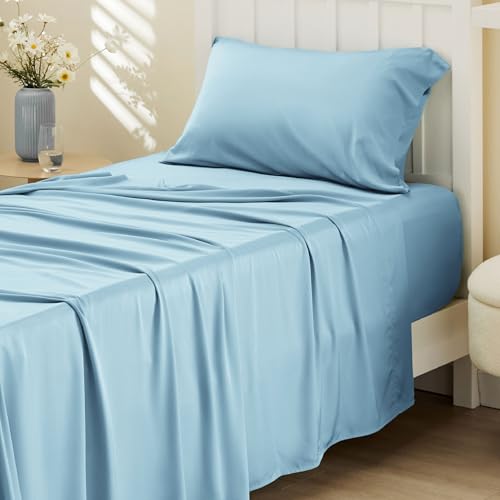
Bamboo-derived rayon sheets may feel smooth and breathable. Fibre claims do not guarantee a cooler night for everyone, so check the exact size, care instructions and return policy.

A lightweight comforter can be easier to layer or remove during temperature swings. “Cooling” is a comfort claim, not a treatment for hot flashes or sweating.

Lightweight, moisture-managing sleepwear may make heat and sweating feel less disruptive. It does not stop night sweats, and fabric comfort varies.

Airflow under the sheet may help someone who feels overheated without cooling the whole room. Compare noise, stability, cleaning and the return policy.

A powered bed-air system offers adjustable airflow and heat at a premium price. It is a comfort device, not a medical treatment.

Another size option in bamboo-derived rayon sheets. Confirm the bed size and care instructions; “cooling” performance is subjective.

A lightweight cooling comforter may make it easier to adjust bedding during temperature changes. It does not prevent or treat hot flashes.
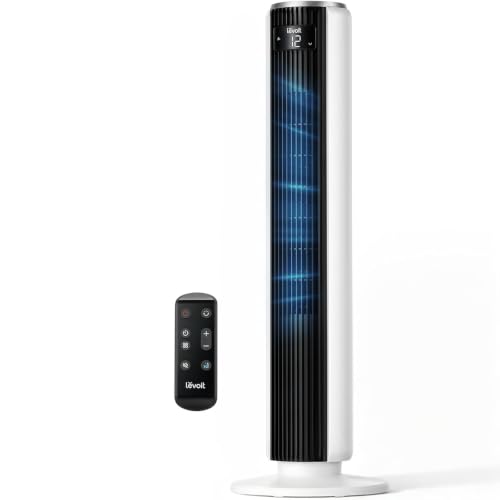
A tower fan can improve room air movement and may make heat feel less oppressive. Compare noise level, timer controls and ease of cleaning.

A compact table fan offers directed airflow without changing the whole room. Sound level and placement matter for light sleepers.
Noise is the problem
The goal here is not silence at any cost. These products may reduce or mask distracting sound while allowing you to choose what feels safe and comfortable.

Reusable earplugs may reduce environmental noise. Fit and comfort vary; make sure alarms and important safety sounds remain audible when necessary.

A second fit and colour option for reusable earplugs. They may soften household or street noise, but should not prevent you from hearing alarms or safety signals.

A fan-based sound machine may mask intermittent household or street noise without looping recordings. It does not treat insomnia or protect hearing.

Low-profile sleep earbuds may mask noise or play sleep audio, including for some side sleepers. Fit, charging, app dependence and cost are important considerations.

A classic fan-based sound machine may make unpredictable noise less noticeable. It is a comfort tool, not a treatment for chronic insomnia.
My bedding or body feels uncomfortable
Pillows, masks and blankets are personal. Look for adjustability, washable materials, realistic trial periods and easy returns rather than assuming a premium price guarantees better sleep.

A dual-sided pillow may offer a cooler-feeling surface and a different comfort option. Cooling fabric does not treat night sweats, and pillow firmness is highly individual.

A silk sleep mask may help when early daylight or shift-work light reaches the bedroom. Fit around the eyes and head matters more than the fabric name alone.

Some people find steady pressure calming. Weighted blankets can also trap heat and may not suit people with mobility, breathing or circulation limitations.

A blackout mask may help when light is the problem. A secure fit can improve darkness, but pressure around the eyes may not suit everyone.

A soft silk mask is a lower-profile option for reducing unwanted light. Check the strap design and return policy if you are sensitive to pressure.

Adjustable fill lets users experiment with pillow height and support. Persistent neck pain or possible sleep-apnea symptoms deserve proper assessment.

A foam pillow with a cooling cover may suit some sleepers, but firmness and heat perception are individual. Check the trial and return terms.
I can’t wind down
Supplements deserve more caution than bedding. “Natural” does not mean risk-free, and magnesium is not a proven treatment for menopause-related insomnia.

Some women include magnesium in an evening routine, but evidence for treating insomnia is limited. Check the Canadian label and ask a pharmacist about kidney disease or medication interactions.

This Canadian-made magnesium supplement is another option women mention. Canadian manufacture does not establish that it is suitable for you; check the NPN, dose and possible interactions with a pharmacist.
Before buying more things
For ongoing insomnia, cognitive behavioural therapy for insomnia (CBT-I) is generally the first-line approach. If hot flashes are driving sleep disruption, ask a clinician about evidence-based menopause treatment options. Products can improve comfort; they cannot identify the cause of poor sleep.
Educational information only. This page is not medical advice.