
You own clothes. Quite a lot of them, possibly. Some still zip. Some technically fit. And yet getting dressed has become strangely difficult.
The jeans that carried you through three jobs and at least one questionable haircut become intolerable by lunch. The bra you have bought for years has apparently changed its mind about your breasts. A favourite blouse pulls somewhere it never pulled before. Your reliable work outfit was designed for a person whose internal thermostat follows ordinary rules.
Other clothes fit perfectly well but no longer feel like you.
Maybe your weight changed. Maybe it barely moved. Your proportions, comfort requirements, daily life or sense of yourself may nevertheless be different. Somewhere along the way, the closet failed to receive the memo.
This is not about dressing thinner, younger or “appropriately” for your age. It is about figuring out what works now—and refusing to treat your body as the defective part of an outfit.
IN THIS ARTICLE
- Yes, clothing fit can really change in midlife
- Comfort may have changed too
- Start with current information: take new measurements
- Diagnose the garment, not your body
- Question the old fashion rules
- Find three silhouettes that work now
- Triage the closet before shopping
- Heat and the midlife wardrobe
- “I don’t know what my style is anymore”
- Try the thing you think you’re too old for
- Turn the fitting room into an experiment
- Buy solutions, not a new identity
- A small closet-reset kit—not a menopause shopping list
- The closet did not get the memo—but it can catch up
- Sources and further reading
Yes, clothing fit can really change in midlife
Bodies do not remain geometrically identical while a scale number stays constant. Ageing, the menopause transition, activity, pregnancy history, genetics, illness, medications and changes in weight can all influence body composition and proportions. Menopause does not cause every bodily change after 40, and no two women follow one compulsory pattern.
But there is a real reason “same weight, different body” resonates. In the longitudinal SWAN study, the menopause transition was associated with faster fat gain and declining lean mass around the final menstrual period—without an equivalent menopause-specific acceleration in total weight gain. Other research describes a tendency toward greater central or abdominal fat deposition after menopause. That does not mean every wider waistband is hormonal. It means scale weight and body composition are not the same measurement.
SAME WEIGHT. DIFFERENT BODY.
Clothing responds to circumference, length, proportion, tissue distribution and movement—not the number on a bathroom scale. A familiar weight can coexist with a different waist, bust, hip, thigh or shoulder fit.
Breast size and shape can change with age, weight, pregnancy history and hormonal context. Skin and connective tissues also change over time. Muscle, posture and habitual movement affect how clothes hang. Feet may become wider or longer as arches and soft tissues change with age, previous pregnancies, weight and health conditions; sudden swelling or one-sided change is a health question, not a shoe-shopping problem. Maple’s joint, heel and musculoskeletal guide explains why persistent pain deserves more than a footwear guess.
For the deeper science, read Where Did This Belly Come From?. Here, the useful question is what those changes mean when you are standing in front of a closet at 7:42 a.m.
Comfort may have changed too
A garment does not have to become too small to stop working.
A rigid waistband may feel fine for ten minutes and dreadful after lunch. An underwire, tight neckline or scratchy seam may suddenly occupy far too much of your attention. Heavy layers, shapewear, non-breathable linings and shoes that demand careful negotiation may no longer be worth the bargain. Clothes that require constant tugging, smoothing or strategic breathing are using energy you may prefer to spend elsewhere.
Hot flashes and sweating add another variable. A beautiful outfit can be functionally useless if removing the jacket exposes an unfinished camisole, or if one episode leaves three non-removable layers damp. Maple’s hot-flash and night-sweat guide explains the physiology and treatment options. Your closet needs to handle the practical aftermath.
Comfort is not giving up. Comfort is a design requirement.
Comfort also does not dictate one aesthetic. You can be comfortable in enormous trousers, a sharply cut suit, a black dress, a tropical print or a uniform of excellent T-shirts. The point is not to become visibly “sensible.” It is to stop accepting avoidable friction as the price of looking like yourself.
Start with current information: take new measurements
If your last measurements are old enough to have their own Hotmail address, take them again. Wear light clothing or underwear, keep the tape level and snug rather than tight, and write down the numbers without editorial commentary.
- Bust: around the fullest part, with the tape level across the back.
- Underbust: directly beneath the breasts; useful for reassessing bra-band fit.
- Waist: where your torso naturally bends—not where a brand has decided your waist ought to be.
- High hip: around the upper hip or fullest part of the lower abdomen, depending on the garment chart.
- Fullest hip: around the widest part of hips and seat.
- Inseam: from crotch to the length you want, ideally measured from trousers that already work.
- Thigh: useful when pants routinely fit at the waist but not through the leg.
A soft measuring tape makes this easier because it follows the body without stretching rigidly across it.

Brand sizing is inconsistent. Two garments with the same label can have different finished measurements, and a “large” in one shop may be smaller than a “medium” elsewhere. Use the size chart, garment measurements and return policy. Ignore the emotional mythology attached to the label.
The size is information about the garment. It is not information about you.
Diagnose the garment, not your body
This is the closet reset that matters most: replace body criticism with garment analysis.
Instead of “My stomach looks terrible in these jeans,” ask, “What is this waistband doing?” Instead of “My boobs look terrible,” ask whether the bra supports your current shape and whether the shirt has enough bust room. Instead of condemning your arms, inspect the sleeve, armhole and fabric.
| What is happening? | Experiment with |
|---|---|
| Waist digs in while hips fit | A different rise, more stretch, a softer or contoured waistband, or another construction entirely |
| Waist gaps while hips or thighs fit | Curvy cuts, tailoring, adjustable tabs, or a different rise |
| Shirt pulls across the chest | Bust allowance, darts, sizing up and altering elsewhere, stretch, or a different placket |
| Bra band rides up | Fresh underbust and bust measurements, another band/cup combination, or different bra construction |
| Jacket restricts reaching | Shoulder and armhole construction, back width, stretch panels or a different cut |
| Everything feels too hot | Fabric weight and construction, airflow, fit, fewer trapped layers and pieces that can be removed |
| Shoes suddenly feel tight | Re-measure both length and width; consider toe-box shape and time-of-day swelling |
| Outfit fits but feels wrong | Silhouette, proportion, texture, colour or styling—or the possibility that your taste changed |
Fit problems are often construction problems. A larger size may add room everywhere when you need it in one place. A smaller size may remove a gap while creating pulling elsewhere. Tailoring, a different cut or a different brand can be more useful than moving endlessly up and down the same rail.
Question the old fashion rules
Traditional style advice is remarkably interested in making women appear to occupy less space. Define your waist. Elongate your legs. Minimize your bust. Conceal your stomach. Look taller, leaner and more “balanced.” Avoid volume. Stop wearing crop tops. Adopt tasteful neutrals and an air of dignified surrender.
You are allowed to decline the assignment.
Proportion is a useful creative tool: changing where a jacket ends or how two volumes meet can alter the rhythm of an outfit. But proportion does not have to be deployed in service of thinness. You may prefer a long column, a boxy top over wide trousers, a fitted shirt with an enormous skirt or volume everywhere. The relevant question is whether you enjoy the result.
No rule is improved merely by reversing it. You do not have to wear bright colour, oversized shapes or visible skin to prove confidence. Quiet, minimal and covered can be authentic choices. The goal is agency, not conspicuousness.
Find three silhouettes that work now
Before building a capsule wardrobe or purchasing a new identity in twelve coordinated pieces, find approximately three outfit formulas you already enjoy.
- Wide trousers + closer top + sneakers
- Straight jeans + oversized shirt + boots
- Dress + cropped jacket
- Long skirt + T-shirt + cardigan
- Loose trousers + tank + blazer
Those are examples, not commandments. Your formulas might involve overalls, tunics, menswear, leggings, vintage dresses or one spectacular coat.
Ask why each successful outfit works. Is it the rise? The shoulder line? The amount and placement of volume? A particular length, neckline, colour or fabric? Can you sit, walk and reach? Does it survive your actual day?
You are collecting information about preference—not diagnosing an apple, pear, hourglass or any other produce-department identity.
Triage the closet before shopping
STILL ME
It fits, feels good, works in your life and gets worn. Keep it. Notice what these pieces have in common.
RIGHT ITEM, WRONG COMBINATION
The garment may need a different partner. Try the long shirt with narrower or wider trousers. Change the layer under the jacket. Tuck, half-tuck or do not tuck. Change the shoe. Styling cannot repair bad fit, but it can reveal that a proportion—not your body—was the problem.
WORTH ALTERING
Good material, useful garment, wrong fit. Hemming, shortening sleeves, adjusting a waistband, adding darts, moving a button or tapering a seam may be realistic. Major shoulder changes, making a tight garment substantially larger or rebuilding complex lined pieces may cost more than the item is worth. Ask a tailor before assuming.
WE’RE DONE HERE
It hurts, requires constant adjustment, never gets worn, belongs to a fantasy lifestyle or comes off every time you put it on. You do not need to justify breaking up with a blouse.
Rescue before replacing
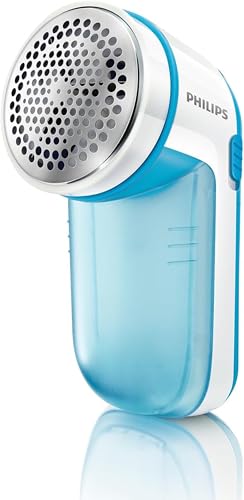
A knit covered in pills can look exhausted when the garment itself is sound. A fabric shaver can remove surface pills, but it must be used lightly on a flat garment; aggressive pressure can thin or damage fabric. It is maintenance, not resurrection.
A steamer can relax ordinary wrinkles and make an existing piece easier to wear. Check the care label, test delicate fabric and remember that steam can burn. It does not replace proper pressing for every seam or sterilize everything it touches.

A small sewing kit earns its place when the alternative is abandoning a useful garment over a loose button or short open seam. It will not turn you into a tailor—and it should not be used for structural repairs you cannot safely make—but basic maintenance can extend clothing life.

Repair, alter and restyle what works before replacing it. Menopause has not issued you a compulsory shopping list.
Heat and the midlife wardrobe
The simplest principle is: dress so you have somewhere to go during a hot flash.
That usually means a wearable base layer, at least one removable layer, room for air to move and a plan for moisture. The base should look intentional enough that removing the jacket or cardigan does not leave you feeling unfinished at work or in public.
Be suspicious of absolute textile rules. “Natural fibres breathe; synthetics do not” is too simple. Thermal and moisture comfort can depend on fibre, yarn, weave or knit, fabric weight and thickness, finishes, garment construction, fit, layers, activity and conditions. Some lightweight open constructions allow airflow; some performance synthetics move moisture and dry quickly; some absorbent fabrics feel comfortable until saturated. The label tells you only part of the story.
- Look at the whole garment, including lining and interfacing—not only the outer fibre.
- Choose removable layers rather than one heroic, immovable layer.
- Test whether the garment clings, changes colour visibly or becomes transparent when damp.
- Consider laundering requirements. A perfect work shirt is less perfect if it cannot recover from repeated washing.
- Carry a spare base layer when the stakes justify it.
Under dresses or skirts, lightweight slip shorts may reduce thigh friction and help a garment move without adding shapewear compression. They are optional, not a device for smoothing or shrinking the body. If another layer makes you hotter, skip it.

A future Maple guide will examine fabric claims in detail. Another will deal specifically with professional clothing during hot flashes. This section has one job: help the clothes you wear now behave more intelligently.
“I don’t know what my style is anymore”
Sometimes the problem is not fit. The clothes belong to a version of life—or a version of you—that is no longer current.
Midlife may coincide with menopause, grey hair, caregiving, a career change, retirement, divorce, dating, children leaving home or a different social life. It does not have to include any of those things. But identity changes, and clothes are one of the places we notice. The Work of Staying Well looks more broadly at body image, relationships and the practical load of midlife.
Do not solve this with a quiz that announces you are a “classic natural with a romantic edge.” Make an inspiration folder instead. Save outfits before asking whether they would flatter your body or whether you have somewhere to wear them.
After you have collected enough, look for repetition. Oversized shirts. Dramatic jewellery. Cropped jackets. Wide trousers. Sneakers. Monochrome. Dresses. Menswear. Prints. Colour. Minimal shapes. Those repetitions are clues to taste.
This is less about inventing a new self than noticing the preferences that survived.
Try the thing you think you’re too old for
Try the crop top. The enormous trousers. Purple. Sneakers with the dress. The leather jacket. All black. Dressing like a tropical bird. Whatever you prohibited without holding a proper hearing.
If you hate it, excellent. That is information. Put it back.
If you like it, you do not need to defend it with “women over 50 can still…” You are an adult wearing clothes. The case is closed.
Turn the fitting room into an experiment
Shopping becomes less personal when you test variables instead of waiting for one garment to declare you acceptable.
- Take the same item in several sizes.
- Try several cuts of the same garment.
- Include one silhouette you assume will not work.
- Ignore the label until you have assessed the fit.
- Take photographs if they help you compare—not to conduct a forensic investigation of your body.
- Sit down. Bend. Reach. Walk. Cross your legs.
- Check closures, pockets, lining, opacity and whether the garment twists.
- Imagine the shoes, underwear and layers you will really use.
A garment that works only while you stand motionless in forgiving lighting does not necessarily fit your life.
Buy solutions, not a new identity
Before buying, finish this sentence: I repeatedly need…
- trousers that do not hurt after lunch;
- a blazer I can remove while the shirt underneath still looks finished;
- shoes I can comfortably walk in;
- a bra that fits my current measurements;
- one pair of jeans I genuinely enjoy wearing;
- a layer that handles an office that alternates between tropical and meat locker.
A specific recurring problem deserves a considered solution. A vague feeling that you need to become “stylish again” can produce a cart full of somebody else’s life.
Delay buying when you cannot name the job. Borrow, tailor, repair or test when possible. Read return policies. For bras, jeans and shoes, fit is important enough to deserve separate guidance; Maple will address those properly rather than pretending one paragraph can solve them.
A small closet-reset kit—not a menopause shopping list
The useful tools in this article are deliberately ordinary: a measuring tape for current information, a fabric shaver and steamer for maintenance, and a sewing kit for small repairs. Slip shorts are an optional response to friction—not an obligation to compress the body.
You probably do not need all of them. You may already own alternatives. The right purchase solves a problem that keeps recurring; it does not certify that you are doing midlife correctly.
The closet did not get the memo—but it can catch up
Your closet does not have to prove that you have not changed. You do not have to earn clothes by returning to an earlier weight, waist measurement or version of yourself.
The goal is not to dress the body you used to have. It is not to hide the body you have now. It is to identify what works, repair what deserves another chance, release what has become a daily argument and buy only the solutions that make your actual life easier.
Then open the closet and get on with being yourself.
Sources and further reading
- Greendale et al. Changes in body composition and weight during the menopause transition. JCI Insight, 2019.
- Bedek et al. Evaluation of thermal and moisture-management properties of knitted fabrics. Applied Ergonomics, 2011.
- The role of sports clothing in thermoregulation, comfort and performance during exercise in the heat. Sports Medicine—Open, 2022.